

The future of fashion design: sustainable, transparent and human-centered
The fashion and retail sectors are at a crossroads. Consumers expect more sustainability, but are also more critical than ever. They're asking themselves: which brands are truly forward-thinking, and which are limited to fancy words? New European regulations and changing customer expectations are forcing brands to look beyond superficial labels. For creative agencies and design studios, this creates opportunities to collaborate with brands to create stronger, more credible designs.
From greenwashing to credible design
The European Commission is cracking down on greenwashing. The new EU Green Claims Directive will soon ban vague claims like "eco-friendly" or "climate neutral" unless they are demonstrably proven. For fashion and retail brands, this means sustainability is no longer a marketing tool, but a responsibility.
This is where graphic design for brands and branding for retail come in. A strong brand story revolves around transparency and authenticity. Think of packaging with QR codes that provide instant access to product information, or web design that visualizes the supply chain. By communicating sustainability visually and understandably, brands regain trust – and differentiate themselves from competitors who are lagging behind.

Price and quality: the challenge for sustainable fashion
Research shows that fewer and fewer consumers are buying sustainable products. Not because they're indifferent, but because sustainable alternatives are often more expensive and the quality isn't always convincing. Especially in fashion, the focus is on fabric properties, durability, and comfort.
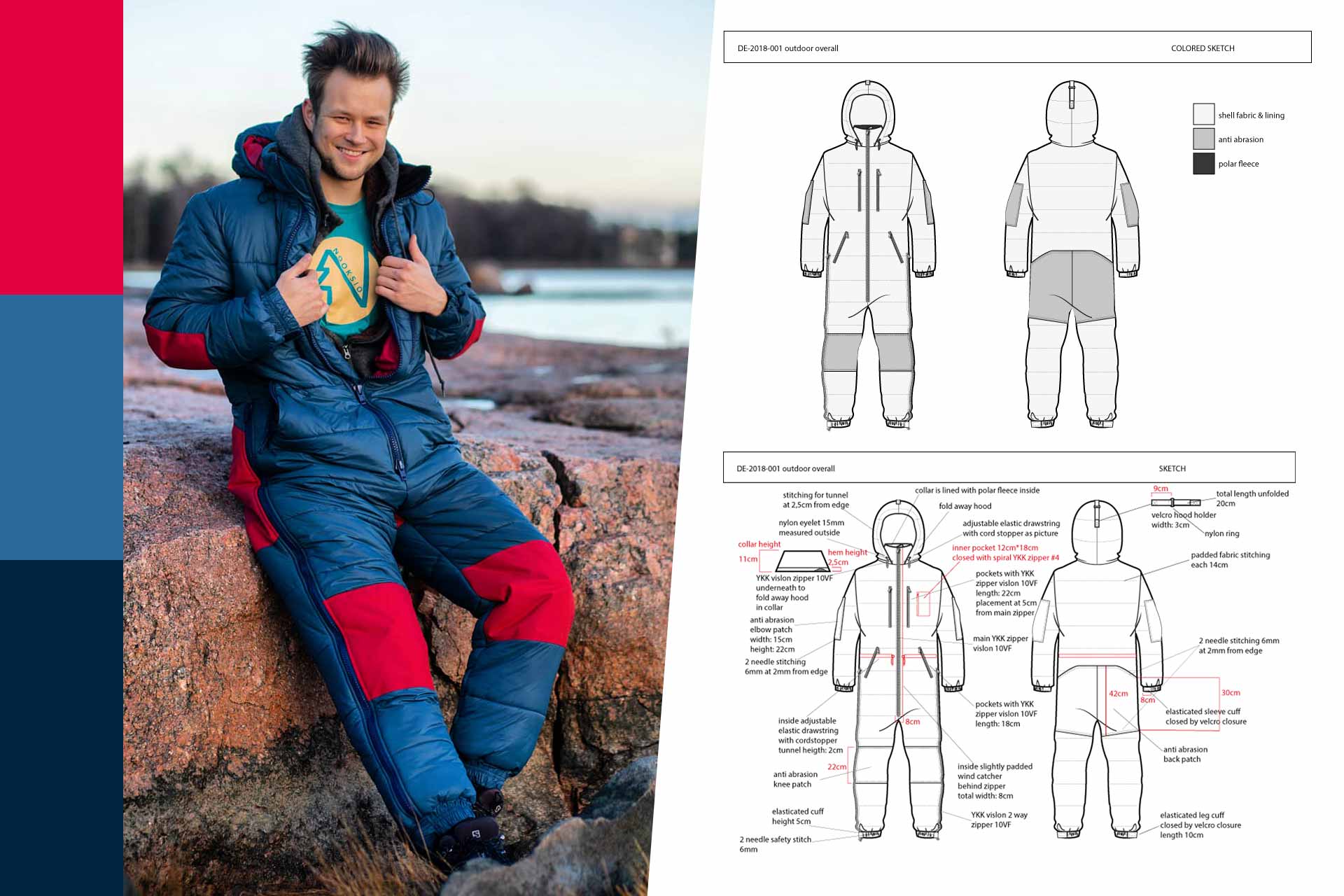
Creating tech packs and smart product sourcing for clothing brands offer solutions here. With detailed technical specifications and reliable suppliers, brands can guarantee quality and control costs. This makes sustainable fashion design not only an ideal but also a feasible reality for both manufacturers and consumers.
More than just sustainable
Consumers don't buy just because something is sustainable. Successful brands always offer more: affordability, convenience, and experience. For web design for fashion brands, this means that online stores must be intuitive and inspiring.
Branding and communication revolve around aesthetics, storytelling, and visible values. Think of limited collections featuring circular materials that are both exclusive and sustainable. Or digital lookbooks that connect sustainability with style and lifestyle. Fashion that matters must be both responsible and desirable.
Transparency in the supply chain: the EU Deforestation Regulation
The new EU Deforestation Regulation will take effect at the end of 2024. Brands may now only sell products that demonstrably do not contribute to deforestation. For fashion and accessories like leather, cotton, or rubber, this means that supply chains must be fully mapped.
For clothing brands, this presents an opportunity to differentiate themselves. Product sourcing is no longer just about price and delivery speed, but primarily about sustainability and traceability. By visually translating this transparency into branding and web design, brands can demonstrate their genuine responsibility.
The future of sustainable fashion design
The coming years will reveal that fashion and retail brands that don't take sustainability seriously will lose touch with their audiences. But those who choose sustainable fashion design, credible communication, and smart product development will actually gain relevance.
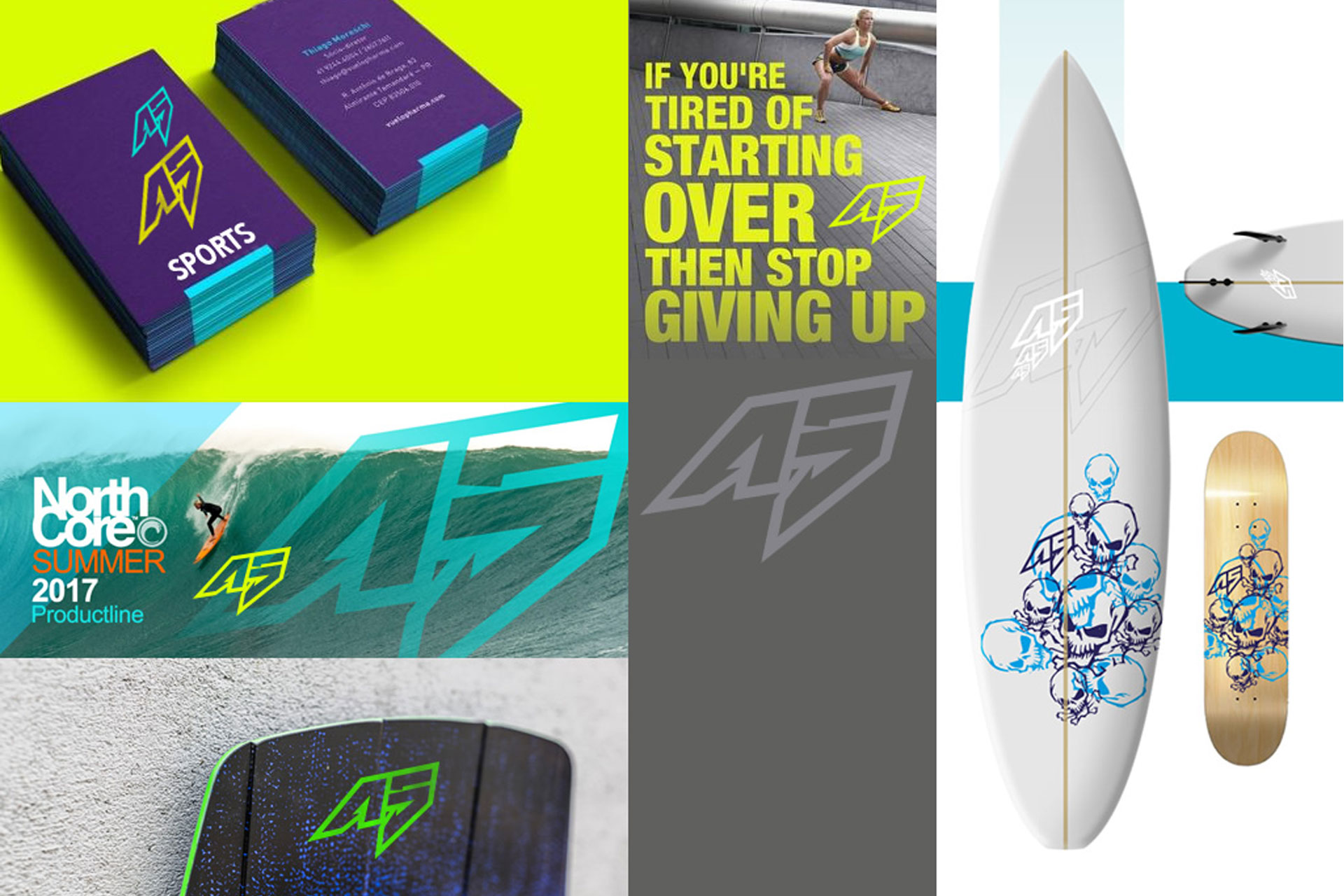
As a creative agency, TVH Design sees a huge opportunity in this. From graphic design for brands to retail branding, from having Tech Packs made to web design for fashion brands – by combining creativity with transparency, we build brands together that shape the future.
Curious how your brand can become stronger with smart sourcing, transparent design and sustainable branding?
Discover the possibilities of product sourcing for clothing brands, inspiring web design, and forward-thinking fashion design – and take the step towards a sustainable future today.
Also check out our other services:
Thanks for reading.
Follow us for more tips and updates