
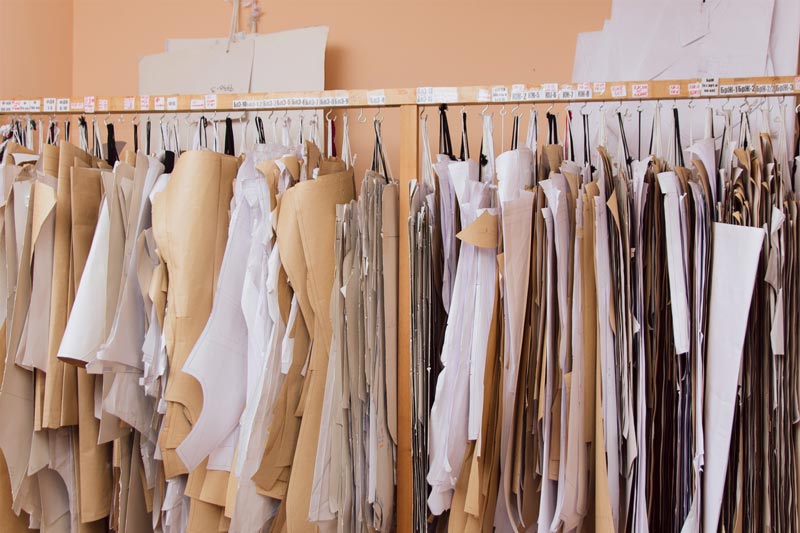
Truly sustainable fashion: Our vision on responsible production
Sustainability is a hot topic in the fashion and product industry. More and more brands are focusing on recycled materials, organic fabrics, and circular production processes. But is this truly sustainable? Recycling often consumes a huge amount of energy and resources. Shouldn't we radically rethink how we produce? In this article, we delve deeper into what true sustainability means and why it's time to look beyond just recycling.
1. Recycling: A solution or an energy guzzler?
Recycling is often presented as the solution to environmental pollution. And yes, reusing materials prevents waste. But it also has disadvantages:
- High energy consumption – Processing plastics, textiles, and metals often costs more energy than producing new raw materials.
- Loss of quality – Many materials (such as plastic and cotton) become weaker and less usable after recycling.
- Complex logistics – Transport and processing of recycled materials still result in a significant ecological footprint.
A better alternative? Smarter production methods that make recycling unnecessary.
2. Alternative production methods: less waste, less energy
Instead of wasting energy on processing waste, we should focus on raw materials and production processes that naturally have a low impact. Here are a few innovative solutions:
- Biodegradable materials – Think of textiles made from hemp, bamboo, or mycelium (fungal networks), which break down naturally without harming the environment.
- Producing locally and on-demand – Making products only once they are ordered, using 3D printing or zero-waste patterns, prevents overproduction and residual waste.
- Modular and repairable designs – Creating products that can be easily disassembled and reused, such as modular shoes or clothing with interchangeable parts.
3. Sustainability starts with producing less
True sustainability isn't just about what we produce, but especially about how much we produce. The fashion industry produces billions of garments annually, many of which are never sold and end up directly as waste.
- Stop overproduction – Producing less and better prevents waste.
- Invest in quality – Products that last longer require less replacement.
- Reuse before recycling – Second-hand, upcycling, and repair are often more sustainable than recycling.

4. Time for a new mindset
Sustainability must go beyond mere marketing claims about “recycled material”. We must change the entire system: from raw material selection and production to consumption and waste processing.
- What if we develop products that no longer create waste?
- What if we stop mass production and go back to local craftsmanship?
- What if we view sustainability not as a trend, but as the norm?
The future of sustainability lies not in continually improving old systems, but in radically reinventing how we produce and consume.
Conclusion: Back to the drawing board
Recycling is an interim solution, not an end goal. True sustainability means smart, energy-efficient production methods and a shift in mindset towards less waste. It is time to go back to the drawing board and design a production system that is truly future-proof.
Want your brand to contribute to a more sustainable future? Let's collaborate on innovative solutions!
TVH Design helps you with design, sourcing, product development , and production supervision. Contact us today and discover how we can take your brand to the next level!